
I dreamt of luscious hotel entrance to my simple apartment. Outside the world at every entrance, the lobby stretched so wide, you could traverse its length and arrive at entirely different neighborhoods and sub-worlds. and this is delightful, the notion of my humble home, the foundation and enclave, wrapped in grandeur, sweeping staircases, marble floors, silver platters, the bustle of a million maids and butlers in well pressed uniforms, a gorgeous big world, with a safe place in its heart. I dash up the stairs endless palace stairs, and i am small again like the little pig character of children's books, like the little girl who lives in the waldorf astoria, the world of beauty is big and i am joyously scurrying. But i must take a regulation staircase, a back way a fire escape i follow a woman, she gets off on four. I must arrive at six, and there is a severance of the staircase, an Escherian optical puzzle. I cannot get to the next floor.
And i wake.
I am in my brother's bed in my childhood house, the walls are plastered thickly with the gleam of sports cars and buxom women lounging upon them. My head is thick with cementing mucus in hidden crevices, weighing my mind and my skin is so dry with desert air it is crackling. There were other dreams, they are ephemera.
The day ahead seems dull. Somewhere in the larger picture progress must be made--on my medical training, on my research. I am short on money, someone at the university has delayed the check until i report my findings. What have I found? I have been meditating that at 28 I am not really a Young Woman anymore. A youngish woman. Long ago already i was Madame over a Mademoiselle, though i have neither married nor reproduced. I have a man i love, he is gently coy about these things. In the mean time, amid the clinic and the wards, the excel spread sheets and nights of sleepy love, the rolling hormonal sine waves keep time on my ovaries, which are in turn neatly bound and chemically gagged with FDA approved contraception.
Men do not generally face their finiteness for decades, but for women it begins at 35, and it begins in the pelvis (all things begin in the pelvis), then radiates outward.
The school counselor accuses me of escape into abstraction in my philosophizing (or perhaps it is i who accuses, and she who nods). The disciples of the mind think there is a different truth, the one that is bound up in the tangles and rolls of the individual psyche, the particulars of the organisms trajectory, of its shapes and deformities, of the particular drag and gravity in its subjective cosmos, and the course of collisions with other creatures. Perhaps each atomized vector can be integrated and an elegant tale can be told, the story (stories) that will predict the future. Like their brethren in physics, the disciples of psyche chase the mystical with the sober pretense of trading in mundane tools.
Oh this poor isolated animal. The French find the isolation inevitable and pitiable, the americans an aspiration and a celebration. I do not want to be alone. Life begins with a expulsion from another. It begins with separation and a life desperate for union again. The end carries the parabola forward to its inevitably lonely conclusion. But after we are gone, the fungi take us back, and we are reunited with all again. Dénouement, resolution, or catastrophe.
Remarkably un-comforting.
Yesterday my heart broke watching an injured bee, journey steadily across the suburban bathroom floor. Why was there a bumble bee in such an inglorious place? (And why do we hate flies and admire bees? We punish one for ridding the world of feces and rotten meat, and adore the other for cavorting amid the flowers and filling our cups with honey). (Actually this is quite reasonable). (The bees furthermore, are better dressed).
Once i have had my morning coffee, the meditations on death dissolve, like mist in the rising sun. Dreams flee, existential ennui and its attendant abyss constrict to a neat quiet scar line. In the glorious light of the frontal lobe, well fueled by the metabolic storm of caffeine, purpose begins. We trade out the dark shadows of existence, dreamscapes and Dostoevsky for the neat, clipped descriptions of the New England Journal. The disciples of physiology (like those who study spheres, and the mappers of mind) don the heavy cloak of coffee cups and linear regression models and the work of the world continues.
Sunday, October 24, 2010

Thursday, October 14, 2010
Tuesday, October 12, 2010
Foreign Medical Graduate
From Verghese, My Own Country
"I had once tried to reach Dr. Patel, a cardiologist, to see a tough old lady in the E.R. whose heart failure was not yielding to my diuretics and cardiotonics. I called his house and his wife told me he was at 'Urology Patel's' house, and when I called there I learned he and 'Pulmonary Patel' had gone to 'Gastroenterology Patel's' house. Gastroenterology Patel's teen-age daughter, a first-generation Indian-American, told me in a perfect Appalachian accent that she 'reckoned they're over at the Mehtas' playing rummy,' which they were."
An Indian traveling salesman explains how to find a place to eat in a strange town: Count the number of Patels in the phone book and multiply by 60. "That will tell you size of Indian community. . . . Take my word: less than 10 Patels means no Indian restaurant. If more than 10, you call, say you are from India, ask them where to go to eat."
* * *
As Dr. Verghese traces the spread of the [HIV] infection, he also examines its effects on his own attitudes, and on his relationships with his patients. He identifies the less-than-lofty, self-congratulatory "front-rank soldier" pride of doctors who treated AIDS patients in the early days of the epidemic, before the mechanisms of transmission were better understood. As he considers his patients in Tennessee and their willingness to confide in him, he wonders how much it has to do with their relief at finding a doctor who is a foreigner, an outsider. "To come to a doctor's office, even a distant doctor's office, and tell their sexual secrets to a Caucasian face that could just as well have belonged to a preacher, a judge or some other archetypal authority figure in their town, might have been difficult." He is also direct and straightforward about the toll that his involvement with his patients takes on his wife and young children -- and ultimately on him as well, as the patients, one by one, begin to die, as he dreams repeatedly of his own infection and death.
* * *
The story of all these people -- brothers and sisters, parents and children, doctors and patients -- is the story of a small city whose departed sons begin returning, one by one, sick with an infection that even the medical professionals of Johnson City had assumed would never hit close to home. Thus the doctor who sought security and a better life in the American South finds himself treating some of the sons of that South who had fled, searching for safety, acceptance and a fuller, freer life.
It was, as Dr. Verghese ultimately chronicled it for a medical journal, "the story of how a generation of young men, raised to self-hatred, had risen above the definitions that their society and upbringings had used to define them. It was the story of the hard and sometimes lonely journeys they took far from home into a world more complicated than they imagined and far more dangerous than anyone could have known."
"I had once tried to reach Dr. Patel, a cardiologist, to see a tough old lady in the E.R. whose heart failure was not yielding to my diuretics and cardiotonics. I called his house and his wife told me he was at 'Urology Patel's' house, and when I called there I learned he and 'Pulmonary Patel' had gone to 'Gastroenterology Patel's' house. Gastroenterology Patel's teen-age daughter, a first-generation Indian-American, told me in a perfect Appalachian accent that she 'reckoned they're over at the Mehtas' playing rummy,' which they were."
An Indian traveling salesman explains how to find a place to eat in a strange town: Count the number of Patels in the phone book and multiply by 60. "That will tell you size of Indian community. . . . Take my word: less than 10 Patels means no Indian restaurant. If more than 10, you call, say you are from India, ask them where to go to eat."
* * *
As Dr. Verghese traces the spread of the [HIV] infection, he also examines its effects on his own attitudes, and on his relationships with his patients. He identifies the less-than-lofty, self-congratulatory "front-rank soldier" pride of doctors who treated AIDS patients in the early days of the epidemic, before the mechanisms of transmission were better understood. As he considers his patients in Tennessee and their willingness to confide in him, he wonders how much it has to do with their relief at finding a doctor who is a foreigner, an outsider. "To come to a doctor's office, even a distant doctor's office, and tell their sexual secrets to a Caucasian face that could just as well have belonged to a preacher, a judge or some other archetypal authority figure in their town, might have been difficult." He is also direct and straightforward about the toll that his involvement with his patients takes on his wife and young children -- and ultimately on him as well, as the patients, one by one, begin to die, as he dreams repeatedly of his own infection and death.
* * *
The story of all these people -- brothers and sisters, parents and children, doctors and patients -- is the story of a small city whose departed sons begin returning, one by one, sick with an infection that even the medical professionals of Johnson City had assumed would never hit close to home. Thus the doctor who sought security and a better life in the American South finds himself treating some of the sons of that South who had fled, searching for safety, acceptance and a fuller, freer life.
It was, as Dr. Verghese ultimately chronicled it for a medical journal, "the story of how a generation of young men, raised to self-hatred, had risen above the definitions that their society and upbringings had used to define them. It was the story of the hard and sometimes lonely journeys they took far from home into a world more complicated than they imagined and far more dangerous than anyone could have known."
Fluids, Fetuses, Foreign bodies, Feces and Flatus
SCIENTIST AT WORK | DR. ABRAHAM VERGHESE
Physician Revives a Dying Art: The Physical [excerpts]

Dr. Verghese (ver-GEESE) is the senior associate chairman for the theory and practice of medicine at Stanford University. He is also the author of two highly acclaimed memoirs, “My Own Country” and “The Tennis Partner,” and a novel, “Cutting for Stone,” which is now a best seller.
At Stanford, he is on a mission to bring back something he considers a lost art: the physical exam. The old-fashioned touching, looking and listening — the once prized, almost magical skills of the doctor who missed nothing and could swiftly diagnose a peculiar walk, sluggish thyroid or leaky heart valve using just keen eyes, practiced hands and a stethoscope.
Art and medicine may seem disparate worlds, but Dr. Verghese insists that for him they are one. Doctors and writers are both collectors of stories, and he says his two careers have the same joy and the same prerequisite: “infinite curiosity about other people.” He cannot help secretly diagnosing ailments in strangers, or wondering about the lives his patients lead outside the hospital.
“People are endlessly mysterious,” he said in an interview in his office at the medical school, where volumes of poetry share the bookshelves with medical texts, family photos and a collection of reflex hammers.
His sources of inspiration include W. Somerset Maugham and Harrison’s Principles of Internal Medicine. In addition to his medical degree, he has one from the writing workshop at the University of Iowa.
Dr. Verghese trained before M.R.I. or CT existed, in Ethiopia and India, where fancy equipment was scarce and good examination skills were a matter of necessity and pride. He still believes a thorough exam can yield vital information and help doctors figure out which tests to order and which to skip — surely a worthwhile goal as the United States struggles to control health care costs, he said.
A proper exam also earns trust, he said, and serves as a ritual that transforms two strangers into doctor and patient.
“Patients know in a heartbeat if they’re getting a clumsy exam,” he said.
He left Ethiopia at 15 for two years of premedical studies in Madras, India, and then returned to Addis Ababa for medical school. By then his parents, worried about Ethiopia’s stability, had moved to the United States. But he had no desire to leave.
“I loved that land,” he recalled.
The medical training was rigorous. Students spent a year dissecting a cadaver, and then had to pass grueling essay exams.
“It was almost brutal,” he said. “But it left us changed in some fundamental way, like formatting a disk.”
Medical students in the United States today spend far less time studying anatomy — too little to learn it well, he said, shaking his head.
***
He worked in Tennessee during the early days of the AIDS epidemic, before there were any effective treatments. Before AIDS, he said: “I must have been a conceited ass, full of knowledge. AIDS humbled a whole generation.”
He came to know many of his patients and their families. He visited their homes, attended their deaths and their funerals. One patient, near death, awoke when Dr. Verghese arrived, and opened his shirt to be examined one last time.
“It was like an offering,” Dr. Verghese said, with tears in his eyes. “To preside over the bed of a dying man in his last few hours. I listen, I thump, I don’t even know what I’m listening for. But doing it says: ‘I will never leave you. I will not let you die in pain or alone.’ There’s not a test you can offer that does that.”
***
“What’s the most important part of the stethoscope?” They stared at him. “The part between the earpieces.” They moaned.
“Name five things that are better outside the body than in,” he asked, not mentioning that the answer appears in his novel: fluids, fetuses, foreign bodies, feces and flatus.
Dr. Verghese smiled. “I am here to astound you,” he said.
Full NYT Article
The Stanford 25: Exam Techniques Every Doctor Should Know
Physician Revives a Dying Art: The Physical [excerpts]

Dr. Verghese (ver-GEESE) is the senior associate chairman for the theory and practice of medicine at Stanford University. He is also the author of two highly acclaimed memoirs, “My Own Country” and “The Tennis Partner,” and a novel, “Cutting for Stone,” which is now a best seller.
At Stanford, he is on a mission to bring back something he considers a lost art: the physical exam. The old-fashioned touching, looking and listening — the once prized, almost magical skills of the doctor who missed nothing and could swiftly diagnose a peculiar walk, sluggish thyroid or leaky heart valve using just keen eyes, practiced hands and a stethoscope.
Art and medicine may seem disparate worlds, but Dr. Verghese insists that for him they are one. Doctors and writers are both collectors of stories, and he says his two careers have the same joy and the same prerequisite: “infinite curiosity about other people.” He cannot help secretly diagnosing ailments in strangers, or wondering about the lives his patients lead outside the hospital.
“People are endlessly mysterious,” he said in an interview in his office at the medical school, where volumes of poetry share the bookshelves with medical texts, family photos and a collection of reflex hammers.
His sources of inspiration include W. Somerset Maugham and Harrison’s Principles of Internal Medicine. In addition to his medical degree, he has one from the writing workshop at the University of Iowa.
Dr. Verghese trained before M.R.I. or CT existed, in Ethiopia and India, where fancy equipment was scarce and good examination skills were a matter of necessity and pride. He still believes a thorough exam can yield vital information and help doctors figure out which tests to order and which to skip — surely a worthwhile goal as the United States struggles to control health care costs, he said.
A proper exam also earns trust, he said, and serves as a ritual that transforms two strangers into doctor and patient.
“Patients know in a heartbeat if they’re getting a clumsy exam,” he said.
He left Ethiopia at 15 for two years of premedical studies in Madras, India, and then returned to Addis Ababa for medical school. By then his parents, worried about Ethiopia’s stability, had moved to the United States. But he had no desire to leave.
“I loved that land,” he recalled.
The medical training was rigorous. Students spent a year dissecting a cadaver, and then had to pass grueling essay exams.
“It was almost brutal,” he said. “But it left us changed in some fundamental way, like formatting a disk.”
Medical students in the United States today spend far less time studying anatomy — too little to learn it well, he said, shaking his head.
***
He worked in Tennessee during the early days of the AIDS epidemic, before there were any effective treatments. Before AIDS, he said: “I must have been a conceited ass, full of knowledge. AIDS humbled a whole generation.”
He came to know many of his patients and their families. He visited their homes, attended their deaths and their funerals. One patient, near death, awoke when Dr. Verghese arrived, and opened his shirt to be examined one last time.
“It was like an offering,” Dr. Verghese said, with tears in his eyes. “To preside over the bed of a dying man in his last few hours. I listen, I thump, I don’t even know what I’m listening for. But doing it says: ‘I will never leave you. I will not let you die in pain or alone.’ There’s not a test you can offer that does that.”
***
“What’s the most important part of the stethoscope?” They stared at him. “The part between the earpieces.” They moaned.
“Name five things that are better outside the body than in,” he asked, not mentioning that the answer appears in his novel: fluids, fetuses, foreign bodies, feces and flatus.
Dr. Verghese smiled. “I am here to astound you,” he said.
Full NYT Article
The Stanford 25: Exam Techniques Every Doctor Should Know
Monday, October 4, 2010
There are* in fact stupid questions
There are in fact stupid questions. In fact, there are several. Further fact: the majority of things a medical student might say at any given moment will likely fall into the classification of stupid question, even if in other contexts they are reasonable questions. For example "where is the bathroom?" and "How do i stop the patient from biting me?"
Statements can also be stupid questions ("But i do not know how to do a cardiac massage.") as can inquisitive looks and breathing too loudly near the surgeon.
Stupid questions are punishable by smirking, derision, public lashings, private lashings through vivid evaluation remarks ("Please express to your parents my great sympathy for their having birthed a child too stupid to know how to dose diuretics properly" "Your usefulness to the team ranks below latex gloves status post rectal exam but above small puddles of body fluids to the left of the nursing station") and being physically assaulted in the operating theater (using proper sterile precaution) with either very expensive surgical instruments or fecaliths. Please note that any damage incurred to surgical equipment will be added to the student's tuition. Also any patient specimen used as a projectile didactic tool will need to be retrieved by the student and expediently returned to the pathology lab.
In conclusion please arrive to clinic or your respective ward teams knowing everything and kindly avoid making eye contact.
Statements can also be stupid questions ("But i do not know how to do a cardiac massage.") as can inquisitive looks and breathing too loudly near the surgeon.
Stupid questions are punishable by smirking, derision, public lashings, private lashings through vivid evaluation remarks ("Please express to your parents my great sympathy for their having birthed a child too stupid to know how to dose diuretics properly" "Your usefulness to the team ranks below latex gloves status post rectal exam but above small puddles of body fluids to the left of the nursing station") and being physically assaulted in the operating theater (using proper sterile precaution) with either very expensive surgical instruments or fecaliths. Please note that any damage incurred to surgical equipment will be added to the student's tuition. Also any patient specimen used as a projectile didactic tool will need to be retrieved by the student and expediently returned to the pathology lab.
In conclusion please arrive to clinic or your respective ward teams knowing everything and kindly avoid making eye contact.
Monday, September 27, 2010
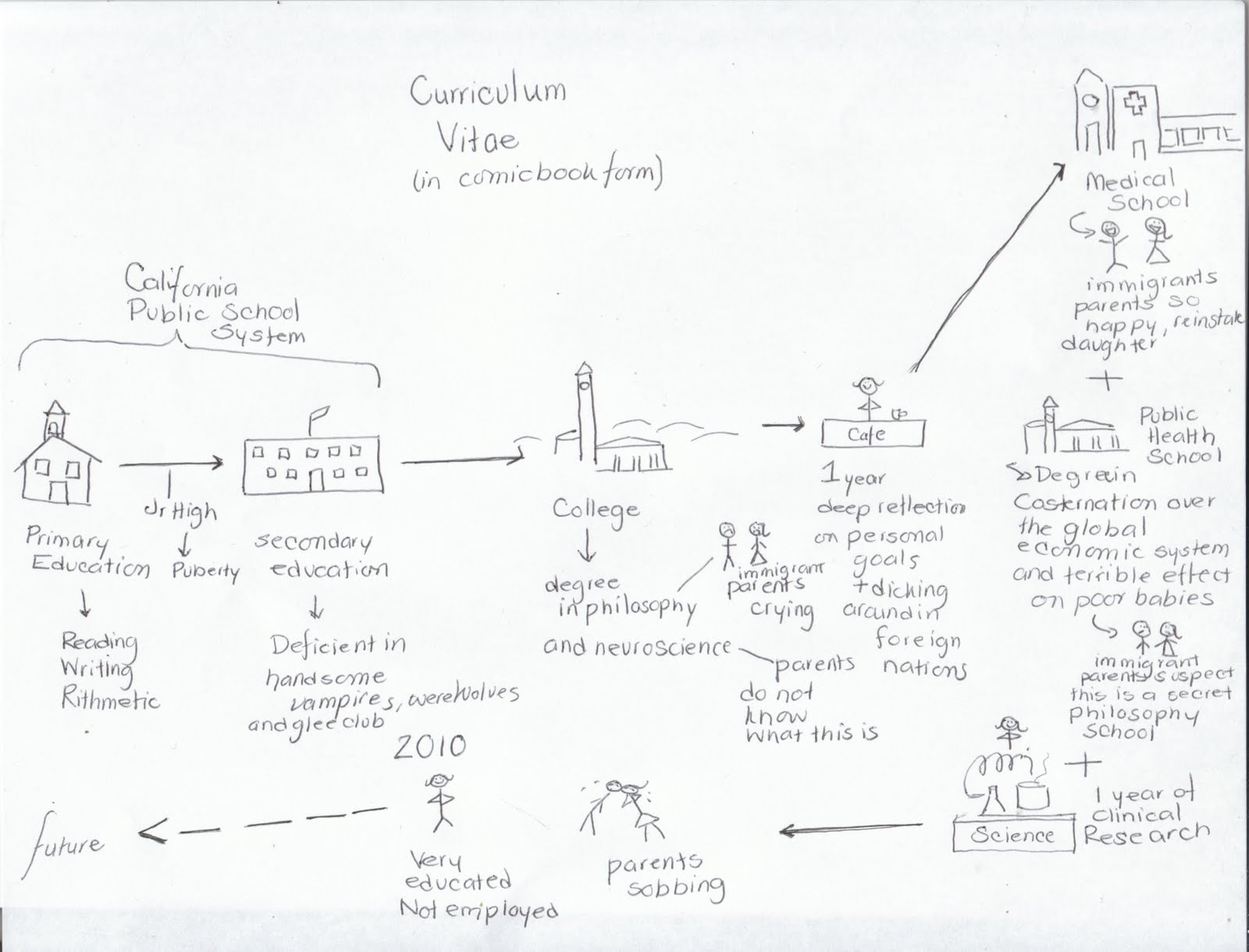
Thursday, September 23, 2010
The Heart of Medicine
"To practice medicine with good spirit does not mean to be in a place where there is no noise, trouble or hard work. It means to bring your calm and loving heart right into the midst of it."
http://www.theheartofmedicine.org/
http://www.theheartofmedicine.org/
Saturday, September 11, 2010
A Very Beautiful Old Man

HANS KEILSON, a Jewish doctor, psychoanalyst, poet and novelist who fled Nazi Germany.
“I’m 100 years old and 8 months, and the last 8 months have been the hardest.”
A Physician Examines His Novels
Sunday, August 29, 2010
Some Dreams I have, Largely in Order of Priority, From Most to Least
(1) Have a living room
(2) Get a Dog
(3) Get a really nice coffee making machine
(4) Finish medical school
(5) Get Netflix streaming {x} done
(6) Have a dish washer
(7) have a daily commute that is less than 20 min
(8) Have a garden
(9) Finish residency
(10) learn more statistics
(11) get a TV
(12) finally finish reading Proust
(13) win a Nobel Prize
Monday, August 9, 2010
Things i learned while backpacking 14 miles over steep terrain with a 40 lb pack
1. i should probably work out more
2. when faced with the decision of pooping in a hole you have to dig and not pooping for a few days of strenuous activity it is very unwise to choose not to poop
3. Bears are wily, clever, motherfucking super beasts. And scary. Cuddly. but also scary.
4. Mosquitoes do in fact bite brown people of equatorial origin who suspect themselves of having a heretofor unidentified hemoglobinopathy based on absolutely no laboratory or clinical evidence whatsoever.
5. I hate motherfucking mosquitos.
6. i would like to devote my entire scientific career to single handed crushing every mosquito on this planet
7. i would be a great humanitarian hero if i did.
8. I probably won't.
9. Sigh.
10. Hyponatremia is no joke. gatorade can bring back life.
11. deer. kind of creepy.
12. Backpacking. WTF. really? you strap 40 lb to your back and then walk over steep terrain and leave behind centuries even millenia of sacrifice and progress like buildings with walls and indoor plumbing?
13. There is profundity in the pursuit of one's own limitations and how odd it is that in the clarity of daylight and serenity we file our lives in impeccably rational filing systems (work, fun, love) arranged by elegant narrative orderings, but in those dark moments, we find the mind has in fact cross wired everything by a far murkier robust system of visceral domains: despair (the gasping desperate blind rage towards the mountain top, the ghostly 3 am of another gloomy call night pummeled by hunger for sleep), triumph ( the 360 degree view of the California Sierra mountains, the bright light and echo of civilization when stepping outside of a hospital to a noon time healthy bustling San Francisco) and transcendence (the floating away when letting drop 40 lb of either camping equipment or neurosis)
14.Nature totally kicked my ass.
2. when faced with the decision of pooping in a hole you have to dig and not pooping for a few days of strenuous activity it is very unwise to choose not to poop
3. Bears are wily, clever, motherfucking super beasts. And scary. Cuddly. but also scary.
4. Mosquitoes do in fact bite brown people of equatorial origin who suspect themselves of having a heretofor unidentified hemoglobinopathy based on absolutely no laboratory or clinical evidence whatsoever.
5. I hate motherfucking mosquitos.
6. i would like to devote my entire scientific career to single handed crushing every mosquito on this planet
7. i would be a great humanitarian hero if i did.
8. I probably won't.
9. Sigh.
10. Hyponatremia is no joke. gatorade can bring back life.
11. deer. kind of creepy.
12. Backpacking. WTF. really? you strap 40 lb to your back and then walk over steep terrain and leave behind centuries even millenia of sacrifice and progress like buildings with walls and indoor plumbing?
13. There is profundity in the pursuit of one's own limitations and how odd it is that in the clarity of daylight and serenity we file our lives in impeccably rational filing systems (work, fun, love) arranged by elegant narrative orderings, but in those dark moments, we find the mind has in fact cross wired everything by a far murkier robust system of visceral domains: despair (the gasping desperate blind rage towards the mountain top, the ghostly 3 am of another gloomy call night pummeled by hunger for sleep), triumph ( the 360 degree view of the California Sierra mountains, the bright light and echo of civilization when stepping outside of a hospital to a noon time healthy bustling San Francisco) and transcendence (the floating away when letting drop 40 lb of either camping equipment or neurosis)
14.Nature totally kicked my ass.
Monday, July 26, 2010
How I would name the rainbow
Blood that is oxygenated Red
Beta Carotene
Jaundice Yellow
Bile Green
Botched IV Contusion blue
Blood that is deoxygenated Purple
Poop Brown
Necrotizing Fasciitis Black

Beta Carotene
Jaundice Yellow
Bile Green
Botched IV Contusion blue
Blood that is deoxygenated Purple
Poop Brown
Necrotizing Fasciitis Black

Saturday, June 12, 2010
I am on a Diet
Indeed. The D word. such stigma. It conjures...i don't know this: anal retentiveness. vanity. a puritanical disdain for pleasure. It pictures to me the concession to middle age when we have forfeited the incessant consumption of youth and its utter ignorance of consequence and taken up the mantle of the Ice Man Cometh, of promises perpetually made and forever broken, ruthless cycles of New Year's Resolutions, and the fool target of multibillion dollar vultures who use gym membership, shakes composed of saltine cracker debris, methamphetamines, veganism as a shrill cover up for eating disorders, anything anything! to devour you, the gullible, guilt plagued inert outflow product of wanton american greed and the easy way. It is a deadly cliche.

All such things of course reveal the countours and kinks of my own neuroses as much (more) than of my binge-purge society. Meh, what are you going to do.
My body, its a good piece of work. Its only got 27 years and a couple hundred miles on it. After spending the last several years meticulously reviewing all the horrible possibilities of illness and monstrous betrayals of genetics, I have become tremendously grateful for health, and humbled by how quickly it can and does flit away. (Death, dudes. Its totally going to happen). But so far, a little asthma, a touch of neurosis, minor scratches and a rather unfortunate intolerance of this particularly excellent local brand of hot salsa (I'm sooooooorry everyone who had to sit within a 4 foot radius of me during my impassioned 1 year denial of this, but it was so tasty!) but over all good working parts. Lungs fill up with air, heart pumps, limbs move. My body works hard for me, carrying heavy books, sitting long uncomfortable hours squinting at small writing, listening carefully to heart sounds, staying up for 36 hour call shifts, running to both catch and dodge out of the way of violent muni busses, and above all it lets me dance and cuddle people and other delightful somatic activities. So i want to treat it right and make it happy.
And I do that by giving it unlimited access to burritos and beer.
So Dieting. Why would self denial be a good thing? also i hate being told what to do. Even by me.
Alas, the 19 year old triumphant obliviousness that abuse of one's liver and unlimited pizza binges carries on without consequence, has turned out to be less than fact. Some combination of age, hormones,deriving meals from vending machines, the use of food as an anxiolytic and anti depressant, and exchanging 2 hours daily work outs for an activity regimen that consists mostly of seeing how long i can balance a cereal bowl full of soy milk on my burgeoning belly (more challenging than it appears)--these alas, were also subject to the laws of chemistry and physiology and thus the relentless upward march of BMI.
I still love my body and it continues to work hard for me. Aesthetically I like strong ladies with squishy butts and i am digging my squishy butt. But I envisioned the next five years of call nights and vending machines and the trends of my disappearing waistline, that small detail of a robust family history of diabetes and heart disease, my idle advice to patients to 'just change your diet and eating habits and quit smoking and all your diseases will go away!' And eventually i will not be aesthetically pleased. I will make babies and it will worsen with hypothyroidism. I will be a rotund dumpling*. I will have insulin resistance and osteoarthritis.
*The Sri Lankan body destiny - Sri Lankan women come in 3 basic shapes. The most common is very very very tiny. MIA is a classic example. The second most common is Dumpling - big butt, boobs, hips on a short frame. Good for childbearing and and pretty adorable in aunties and grandmas. Least common but most inspirational is the tall athletic Sri Lankan girl who is a compete badass at basketball.
So. Body. I have been spoiling you. We've got to get you in shape. It will be better in the long run. You will thank me later.
Disclaimer: poetic license allows me to discuss body as third person object but i strongly abhor mind-body dualism.
So i began the Halt the BMI Diet this last Monday (only after an amazing weekend camping trip of gluttony and eating an entire bag of Mother's frosted animal cookies--you know, that shit with sprinkles. Hella good). I am hoping to lose 15 pounds over 16 weeks and then reassess how i feel. I hope that it is modest enough that i can figure out how to adapt it to a long term maintenance approach.
My previous attempts at 'eating healthy' has mostly consisted of vague commitments of 'I will eat some vegetables and less pizza'. Currently I am trying to consume net 1500 calories per day, with 1 day a week where I am off diet. If i eat an entire bag of Mother's frosted animal cookies (hella good) on that one day off, it probably will render the rest of the days moot, but i think this might be an important psychological safety valve and allow for longevity of the task. This week i have not quite succeeded, being on average 150 net calories over. I am keeping track with an overall satisfactory iphone ap Lose It. Generally it is a good ap; a disadvantage is that if you eat a lot of sri lankan, ethiopian, or any non-mainstream food, and you must sort of hodge podge it together based on the ingredients. This tracking alone has been revelatory. Despite a biology degree with extensive study of metabolism and several years of medical school and plenty of time advising other* people on how to manage their diets, I was surprised at how poor an intuition I have for the energy density of foods.
For example - hummus. You can eat hella hummus, feel really full and its like, not very much calories. But - granola. Despite its reputation as hippie food, the caloric impact (and glycemic index) is equivalent to eating several crumbled up cookies. Also even if you're like Look at Me I'm Eating a Salad for Lunch! but then you put a shit ton of cheese and nuts and avocados on your salad, it can be the equivalent of eating a pizza. But faced with finite budgeting, it became an exercise in revealing the value of food for me--e.g. I fucking love cheese, nuts and avocados and these taste really good on salad. But granola can suck it. Likewise white rice, which is just a mind boggling calorie sink of tasteless nothingness.
Working out will hopefully also be a big part of this endeavor, but i haven't yet figured out in what way. I have always loved dancing and capoeira and running around in circles for no reason at all, and it is a source of mental health and joy for me. The feeling of blood rushing to my head and the psychological impression of making myself strong and mighty is tremendously satisfying. It is also my experience (and i think documented in many studies) that it also increases my appetite and i am pretty sure i consistently eat more than i burn, so i am not sure it makes much difference in weight. So for now, my exercise activities will continue as they have before--sporadic, for fun & muscle flexing, while i focus on sorting out my meals.
At the end of the day, i love food. It is a source of joy, pleasure, comfort, and a way to commune with others. I do not want to be alienated from this and begin to view it instead as a source of anguish, conflict, or as a barrier to my health and well being. But I think i have already alienated myself from food by slurping it down mindlessly, using it as opiate, inhaling cafeteria breakfast burritos with desperation and flurry. Some of that can't be entirely helped since i have committed to certain goals and a lifestyle (i.e. medical training) that is also a source of meaning and joy. But I hope during the coming months of mostly sitting on my ass and data-analyzing, the Diet will be an exercise in eating more mindfully and thoughtfully.


All such things of course reveal the countours and kinks of my own neuroses as much (more) than of my binge-purge society. Meh, what are you going to do.
My body, its a good piece of work. Its only got 27 years and a couple hundred miles on it. After spending the last several years meticulously reviewing all the horrible possibilities of illness and monstrous betrayals of genetics, I have become tremendously grateful for health, and humbled by how quickly it can and does flit away. (Death, dudes. Its totally going to happen). But so far, a little asthma, a touch of neurosis, minor scratches and a rather unfortunate intolerance of this particularly excellent local brand of hot salsa (I'm sooooooorry everyone who had to sit within a 4 foot radius of me during my impassioned 1 year denial of this, but it was so tasty!) but over all good working parts. Lungs fill up with air, heart pumps, limbs move. My body works hard for me, carrying heavy books, sitting long uncomfortable hours squinting at small writing, listening carefully to heart sounds, staying up for 36 hour call shifts, running to both catch and dodge out of the way of violent muni busses, and above all it lets me dance and cuddle people and other delightful somatic activities. So i want to treat it right and make it happy.
And I do that by giving it unlimited access to burritos and beer.
So Dieting. Why would self denial be a good thing? also i hate being told what to do. Even by me.
Alas, the 19 year old triumphant obliviousness that abuse of one's liver and unlimited pizza binges carries on without consequence, has turned out to be less than fact. Some combination of age, hormones,deriving meals from vending machines, the use of food as an anxiolytic and anti depressant, and exchanging 2 hours daily work outs for an activity regimen that consists mostly of seeing how long i can balance a cereal bowl full of soy milk on my burgeoning belly (more challenging than it appears)--these alas, were also subject to the laws of chemistry and physiology and thus the relentless upward march of BMI.
I still love my body and it continues to work hard for me. Aesthetically I like strong ladies with squishy butts and i am digging my squishy butt. But I envisioned the next five years of call nights and vending machines and the trends of my disappearing waistline, that small detail of a robust family history of diabetes and heart disease, my idle advice to patients to 'just change your diet and eating habits and quit smoking and all your diseases will go away!' And eventually i will not be aesthetically pleased. I will make babies and it will worsen with hypothyroidism. I will be a rotund dumpling*. I will have insulin resistance and osteoarthritis.
*The Sri Lankan body destiny - Sri Lankan women come in 3 basic shapes. The most common is very very very tiny. MIA is a classic example. The second most common is Dumpling - big butt, boobs, hips on a short frame. Good for childbearing and and pretty adorable in aunties and grandmas. Least common but most inspirational is the tall athletic Sri Lankan girl who is a compete badass at basketball.
So. Body. I have been spoiling you. We've got to get you in shape. It will be better in the long run. You will thank me later.
Disclaimer: poetic license allows me to discuss body as third person object but i strongly abhor mind-body dualism.
So i began the Halt the BMI Diet this last Monday (only after an amazing weekend camping trip of gluttony and eating an entire bag of Mother's frosted animal cookies--you know, that shit with sprinkles. Hella good). I am hoping to lose 15 pounds over 16 weeks and then reassess how i feel. I hope that it is modest enough that i can figure out how to adapt it to a long term maintenance approach.
My previous attempts at 'eating healthy' has mostly consisted of vague commitments of 'I will eat some vegetables and less pizza'. Currently I am trying to consume net 1500 calories per day, with 1 day a week where I am off diet. If i eat an entire bag of Mother's frosted animal cookies (hella good) on that one day off, it probably will render the rest of the days moot, but i think this might be an important psychological safety valve and allow for longevity of the task. This week i have not quite succeeded, being on average 150 net calories over. I am keeping track with an overall satisfactory iphone ap Lose It. Generally it is a good ap; a disadvantage is that if you eat a lot of sri lankan, ethiopian, or any non-mainstream food, and you must sort of hodge podge it together based on the ingredients. This tracking alone has been revelatory. Despite a biology degree with extensive study of metabolism and several years of medical school and plenty of time advising other* people on how to manage their diets, I was surprised at how poor an intuition I have for the energy density of foods.
For example - hummus. You can eat hella hummus, feel really full and its like, not very much calories. But - granola. Despite its reputation as hippie food, the caloric impact (and glycemic index) is equivalent to eating several crumbled up cookies. Also even if you're like Look at Me I'm Eating a Salad for Lunch! but then you put a shit ton of cheese and nuts and avocados on your salad, it can be the equivalent of eating a pizza. But faced with finite budgeting, it became an exercise in revealing the value of food for me--e.g. I fucking love cheese, nuts and avocados and these taste really good on salad. But granola can suck it. Likewise white rice, which is just a mind boggling calorie sink of tasteless nothingness.
Working out will hopefully also be a big part of this endeavor, but i haven't yet figured out in what way. I have always loved dancing and capoeira and running around in circles for no reason at all, and it is a source of mental health and joy for me. The feeling of blood rushing to my head and the psychological impression of making myself strong and mighty is tremendously satisfying. It is also my experience (and i think documented in many studies) that it also increases my appetite and i am pretty sure i consistently eat more than i burn, so i am not sure it makes much difference in weight. So for now, my exercise activities will continue as they have before--sporadic, for fun & muscle flexing, while i focus on sorting out my meals.
At the end of the day, i love food. It is a source of joy, pleasure, comfort, and a way to commune with others. I do not want to be alienated from this and begin to view it instead as a source of anguish, conflict, or as a barrier to my health and well being. But I think i have already alienated myself from food by slurping it down mindlessly, using it as opiate, inhaling cafeteria breakfast burritos with desperation and flurry. Some of that can't be entirely helped since i have committed to certain goals and a lifestyle (i.e. medical training) that is also a source of meaning and joy. But I hope during the coming months of mostly sitting on my ass and data-analyzing, the Diet will be an exercise in eating more mindfully and thoughtfully.

Tuesday, June 1, 2010
less money
Due to the fiscal crisis in California, the Office of the Registrar has absorbed reductions in its state-funded budget totalling approximately 29 percent since 2008-09. To avoid reducing essential services, we will increase fees for miscellaneous services such as transcripts and diploma mailing on July 1, 2010. We regret that we must take this action to maintain our services.
Thank you for your understanding.
Sincerely,
Office of the Registrar
Thank you for your understanding.
Sincerely,
Office of the Registrar
Saturday, May 22, 2010
A comparison
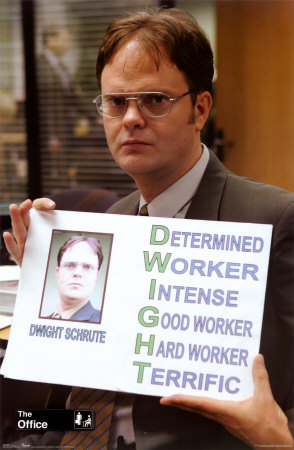
Who I would like to picture myself as

Confident, razor witted, curmudgeonly, secretly wise.

with awesome biceps.
Or

Powerful, commanding, seductive.

The boss of stuff.

But mostly i feel

Concerned. Nice. Cutesy. Terrified.

Or bureacratic. Paper tiger. Effete and futile.
But i think, someday, i will learn to flower as myself.


Confident, razor witted, curmudgeonly, secretly wise.

with awesome biceps.
Or

Powerful, commanding, seductive.

The boss of stuff.

But mostly i feel

Concerned. Nice. Cutesy. Terrified.

Or bureacratic. Paper tiger. Effete and futile.
But i think, someday, i will learn to flower as myself.
Friday, May 21, 2010
Things i want a lot but cannot afford
My funding this year is pretty miniscule. And it is coming to my attention that my perpetual hiding in higher education will end one day and i will have loans to pay. A lot of loans. Like, numbers with a great multitude of zeros that follow them. Also that residents don't make much money. (on the other hand since my only other proper jobs have been in cafes, book stores, and grading logic homework, being a resident will be the richest i will have ever been and i am quite excited). Despite this, i have discovered over the last several years that (1) i like nice things (2) that despite what i was otherwise led to believe by Berkeley Bohemia, it can cost quite a bit of resources to experience nice things (time, attention, and money).
Ah, but to live in San Francisco, to be devoted to a great art, to be youngish...so a la Hemingway's Moveable Fest, I will sate my appetite by aromas. To begin, a menu.
Things i desire and cannot afford (in time, attention or money)
1. A haircut
2. To fix Ravelstein the shattered iphone
3. beautiful lingerie
4. a car
5. a parking space to the put the car in
6. a television
7. time to watch a television
8. a knowledge of films
9. a thoughtful fashion sense
10. healthier eating habits
11. regular massages
12. membership to an institution with a sauna
13. children
14. a dog, to watch/herd the children
15. an apartment with a living room
16. a garden
17. a knowledge of Wittgenstein
18. travel to faraway lands and then staying at midrange hotels instead of haggling with broken down hostels with no running water
19. to whisk my sweetie away to a beautiful place with no worries (for a little while)
20. world peace
Ah, but to live in San Francisco, to be devoted to a great art, to be youngish...so a la Hemingway's Moveable Fest, I will sate my appetite by aromas. To begin, a menu.
Things i desire and cannot afford (in time, attention or money)
1. A haircut
2. To fix Ravelstein the shattered iphone
3. beautiful lingerie
4. a car
5. a parking space to the put the car in
6. a television
7. time to watch a television
8. a knowledge of films
9. a thoughtful fashion sense
10. healthier eating habits
11. regular massages
12. membership to an institution with a sauna
13. children
14. a dog, to watch/herd the children
15. an apartment with a living room
16. a garden
17. a knowledge of Wittgenstein
18. travel to faraway lands and then staying at midrange hotels instead of haggling with broken down hostels with no running water
19. to whisk my sweetie away to a beautiful place with no worries (for a little while)
20. world peace
Thursday, May 20, 2010
an overhaul
bc i find it physiologically difficult to study multiple choice questions for more than 10 hours a day, and bc i like to sit in front of my computer instead of engaging in aerobic exercise, and bc i have the time and space to reflect on my training, existence and future (at the expense of you, the taxpayers of California, and me the future loan payer), and above all bc i have a gorgeous sexy new love affair, namely with a shiny 2010 macbookpro (aka Osler's Beast, alas to replace my previous beloved machine, ruthlessly stolen) i am inspired to relaunch a different purpose with my online blathering ("different" as in having one at all).
I am searching now meticulously through examples of other doctor and medical student blogs and finding many good things, to my pleasure and joy. I will hand pick some eventually. for now i will share this from Axis Deviation.
25 Things I Didn't Do Before I Entered Medicine
Wake up before 8am.
Go to sleep after 2am.
Look forward to sleeping nearly every night.
Wear a shirt and tie to work.
Shave more than three times a week.
Stick my finger up peoples' butts.
Ask people how many people they’ve slept with.
Ask men to tell me about their erectile dysfunction.
Ask for men to show me their penis.
Dread seeing vaginas.
Be able to tell police officers what to do (in the hospital, at least).
Talk with police officers.
Talk with prisoners.
Slam the phone on people.
Hate pagers.
Hate anything that beeps.
Drink at home, alone.
Want to drink this much.
Be thankful I am alive.
Hope that certain people would die.
Struggle for money.
Dream of money.
Despise people with money.
Despise people.
Wish I didn't enter medicine.
I am searching now meticulously through examples of other doctor and medical student blogs and finding many good things, to my pleasure and joy. I will hand pick some eventually. for now i will share this from Axis Deviation.
25 Things I Didn't Do Before I Entered Medicine
Wake up before 8am.
Go to sleep after 2am.
Look forward to sleeping nearly every night.
Wear a shirt and tie to work.
Shave more than three times a week.
Stick my finger up peoples' butts.
Ask people how many people they’ve slept with.
Ask men to tell me about their erectile dysfunction.
Ask for men to show me their penis.
Dread seeing vaginas.
Be able to tell police officers what to do (in the hospital, at least).
Talk with police officers.
Talk with prisoners.
Slam the phone on people.
Hate pagers.
Hate anything that beeps.
Drink at home, alone.
Want to drink this much.
Be thankful I am alive.
Hope that certain people would die.
Struggle for money.
Dream of money.
Despise people with money.
Despise people.
Wish I didn't enter medicine.
studying
Studying for the second boards has so far been profoundly different from the first boards. One reason is because i am not also hyperventilating in an attempt to finish and properly format a master's thesis. Yet another is that all these abstract lists of previously nebulous and nonsense strings of fact have profound meaning.
Third year was hard for lots of reasons, not least of which is constantly being surrounded by death, suffering and dramatic events. This is of course the point, as the entire existence of the job depends on people getting run over by cars and having heart attacks. I suppose the training is so long so that after several years of seeing it, instead of weeping and gasping at the sight of hemorrhage or the slow overtake of a human life by a monstrous cancer, as a normal healthy human being should, instead one is competent technician and numb enough to do something useful. Technician in the broadest sense--to be able to insert a swan ganz catheter into the right place to speak and drug away an impending suicide attempt to break devastating news with compassion. All very difficult techniques.
The technique matters. The knowledge matters. The most important thing i did third year i suppose was observe. And the funny thing about having such intense imprinting of the memory given its tremendous affective weight and existential gut kick, is that the most odd facts have seared themselves into my brain. Cocksakie virus is the number one infectious cause of myocarditis = 38 year old man in the ICU, h/o of hodgkin's, heart failure, delayed biopsy, his powerful muscular chest strung with endless tubes and wires, his aghast stoic young wife sits by in pink sweat pants. He dies the next week. Never treat sinus tachycardia= M&M rounds with the senior resident who did precisely that in the midnight transfer, a 32 yo woman decompensating from sepsis, shot up with beta blockers, the resident presents the facts with a steady strong voice, but i see her crying in the hall later. Aminoglycoside nephropathy, serotonin syndrome, cardiac tamponade -- how odd these are, how real, how their string of greek and latin artifice become such moments of terror, anguish...and potential triumph.
the multiple choice test is suddenly a richer, more interesting thing.
Third year was hard for lots of reasons, not least of which is constantly being surrounded by death, suffering and dramatic events. This is of course the point, as the entire existence of the job depends on people getting run over by cars and having heart attacks. I suppose the training is so long so that after several years of seeing it, instead of weeping and gasping at the sight of hemorrhage or the slow overtake of a human life by a monstrous cancer, as a normal healthy human being should, instead one is competent technician and numb enough to do something useful. Technician in the broadest sense--to be able to insert a swan ganz catheter into the right place to speak and drug away an impending suicide attempt to break devastating news with compassion. All very difficult techniques.
The technique matters. The knowledge matters. The most important thing i did third year i suppose was observe. And the funny thing about having such intense imprinting of the memory given its tremendous affective weight and existential gut kick, is that the most odd facts have seared themselves into my brain. Cocksakie virus is the number one infectious cause of myocarditis = 38 year old man in the ICU, h/o of hodgkin's, heart failure, delayed biopsy, his powerful muscular chest strung with endless tubes and wires, his aghast stoic young wife sits by in pink sweat pants. He dies the next week. Never treat sinus tachycardia= M&M rounds with the senior resident who did precisely that in the midnight transfer, a 32 yo woman decompensating from sepsis, shot up with beta blockers, the resident presents the facts with a steady strong voice, but i see her crying in the hall later. Aminoglycoside nephropathy, serotonin syndrome, cardiac tamponade -- how odd these are, how real, how their string of greek and latin artifice become such moments of terror, anguish...and potential triumph.
the multiple choice test is suddenly a richer, more interesting thing.
Friday, May 14, 2010
What to do next
Here are some career fantasies:
(1) Finish medical school
(2) Finish residency
and then?
I think i am in love with HIV. It is too rich, too big. It is horrible, ruthless. It attacks us through our love lives. It is wiping out, has wiped out an entire generation, entire societies. It travels with tuberculosis. It revolutioned immunology. It is a disease of gay men, of Africa, Haiti, of hemophiliacs and children who had no choice.
The glory days of HIV in San Francisco, the sheer terror and fear of a deadly miasma that takes the young and bohemain, the time for great courage, the time of surgeons drenched in poisoned blood, came and went. now the battle is quieter, it is tedious, but it still there. Now it is a battle of pharmaceutical patents and global distribution of testing equipment, of chipping away at lymphoma and heightened rates of diabetes and salvaging kidneys in old age.
So then. what would i do? get work. Begin working.
(1) Finish medical school
(2) Finish residency
and then?
I think i am in love with HIV. It is too rich, too big. It is horrible, ruthless. It attacks us through our love lives. It is wiping out, has wiped out an entire generation, entire societies. It travels with tuberculosis. It revolutioned immunology. It is a disease of gay men, of Africa, Haiti, of hemophiliacs and children who had no choice.
The glory days of HIV in San Francisco, the sheer terror and fear of a deadly miasma that takes the young and bohemain, the time for great courage, the time of surgeons drenched in poisoned blood, came and went. now the battle is quieter, it is tedious, but it still there. Now it is a battle of pharmaceutical patents and global distribution of testing equipment, of chipping away at lymphoma and heightened rates of diabetes and salvaging kidneys in old age.
So then. what would i do? get work. Begin working.
Monday, May 10, 2010

A new oath
A few weekends ago, i went to a day long retreat of medical students in some nearby forest. I joked it was a hippie get away for medical types. Indeed, we arrived at an old building embedded in a bay area secluded forest, decorated with healing wheels and crystals and our facilitators were gentle and soft spoken. But the building in its regular life most often hosted retreats for those dying of cancer. And our facilitators were a palliative care physician and nurse, whose daily work was in hospice, in guiding fellow humans to their end of day, ensuring that foley catheters were functioning and that morphine was sufficient; but also that people might die with dignity in the company of those with compassion and humility in the face of the greatest abyss.
I went because i was hurting, hurting for myself, i knew that car ride through winding Hwy 1 with my classmates would be therapy i was desperately thirsty for, to salve the hurt that was mostly in my ego. I had finished my clerkship year of medical school and the year previous that had careened wildly through my master's write up. I was exhausted, overstimulated, and felt desperately inadequate. I spent the year in a fishbowl, perpetually under evaluation, and i in turn watched the patients in another embedded fishbowl, while they did godless things, like bleed, give birth, suffer, die, come to life again. An onslaught of human triumph and tragedy and very little sleep in between. I felt shattered and confused. I felt alone.
I cannot describe all the beautiful things about that day amid the quiet trees and these other people winding through their own journey. But i was salvaged indeed, and i was glad to work again. A nice exercise we did towards the end was make our own sort of Hippocratic oath, which was then sort of edited together. I found it very moving, that these future surgeons and emergency room docs and psychiatrists and general practititioners (some to be interned as soon as June) were so soulful, and i was inspired by their passion for their work. Here is are some snippets, as well as the collected oath we formed:
Personal MISSION STATEMENTS
v v v
Help me to approach every patient with patience, even if I am exhausted and overworked.
Guide me to remain sincere, sensitive, and humanistic in my practice despite how many patients with similar presentations I have seen
v v v
Help me let go of fears, prejudices and distractions, so that I can be truly present with patients
Help me apply technical skills within the context of trust and compassion
Help me make decisions that support healing of the whole patient, and not merely fixing of parts
v v v
May my work be an artistic expression
May it be a practice of grace
May it be a movement of justice
May my work be a dance towards self
May it be a reflective reading of the poetic prose of human experience
v v v
Help me to listen—to hear the story, to understand what is being asked
Help me to see—to observe carefully and unveil the truth
Give me the knowledge and patience to teach so that the people I care for can care for themselves and others
Help me to touch—to feel, to discover but also to mend and reassure
Teach me to find and share peace in the face of sickness, death and life
v v v
Help me to hear with my mind and heart
Help me to stand in power
Help me to remain compassionate, present and invested
Give me strength to know when to keep going and when to stop
v v v
Help me to care for myself as I care for others
Guide me as I develop wisdom to go along with knowledge
v v v
Help me to be courageous in walking with patients in their suffering
Help me to serve with relentless hope and compassion
Help me to be confident and authentic in who I am as a physician
Help me to be innovative in how I provide care
v v v
Hold me long enough so I know I can stay or go anytime
Keep my eyes open to that moment when patients are ready to really feel what is going on
Calm me
Remind me that I always can choose
v v v
Collective:
Guide me to remain sincere, sensitive, and humanistic in my practice despite how many patients with similar presentations I have seen
Help me let go of fears, prejudices and distractions, so that I can be truly present with patients
May it be a reflective reading of the poetic prose of human experience
Give me the knowledge and patience to teach so that the people I care for can care for themselves and others
Remember to always be present, honest, and human
Help me to hear with my mind and heart
Guide me towards balance professionally and personally
Help me to be present to each person I encounter, with humanity
Help me to be confident and authentic in who I am as a physician
Calm me.
I went because i was hurting, hurting for myself, i knew that car ride through winding Hwy 1 with my classmates would be therapy i was desperately thirsty for, to salve the hurt that was mostly in my ego. I had finished my clerkship year of medical school and the year previous that had careened wildly through my master's write up. I was exhausted, overstimulated, and felt desperately inadequate. I spent the year in a fishbowl, perpetually under evaluation, and i in turn watched the patients in another embedded fishbowl, while they did godless things, like bleed, give birth, suffer, die, come to life again. An onslaught of human triumph and tragedy and very little sleep in between. I felt shattered and confused. I felt alone.
I cannot describe all the beautiful things about that day amid the quiet trees and these other people winding through their own journey. But i was salvaged indeed, and i was glad to work again. A nice exercise we did towards the end was make our own sort of Hippocratic oath, which was then sort of edited together. I found it very moving, that these future surgeons and emergency room docs and psychiatrists and general practititioners (some to be interned as soon as June) were so soulful, and i was inspired by their passion for their work. Here is are some snippets, as well as the collected oath we formed:
Personal MISSION STATEMENTS
v v v
Help me to approach every patient with patience, even if I am exhausted and overworked.
Guide me to remain sincere, sensitive, and humanistic in my practice despite how many patients with similar presentations I have seen
v v v
Help me let go of fears, prejudices and distractions, so that I can be truly present with patients
Help me apply technical skills within the context of trust and compassion
Help me make decisions that support healing of the whole patient, and not merely fixing of parts
v v v
May my work be an artistic expression
May it be a practice of grace
May it be a movement of justice
May my work be a dance towards self
May it be a reflective reading of the poetic prose of human experience
v v v
Help me to listen—to hear the story, to understand what is being asked
Help me to see—to observe carefully and unveil the truth
Give me the knowledge and patience to teach so that the people I care for can care for themselves and others
Help me to touch—to feel, to discover but also to mend and reassure
Teach me to find and share peace in the face of sickness, death and life
v v v
Help me to hear with my mind and heart
Help me to stand in power
Help me to remain compassionate, present and invested
Give me strength to know when to keep going and when to stop
v v v
Help me to care for myself as I care for others
Guide me as I develop wisdom to go along with knowledge
v v v
Help me to be courageous in walking with patients in their suffering
Help me to serve with relentless hope and compassion
Help me to be confident and authentic in who I am as a physician
Help me to be innovative in how I provide care
v v v
Hold me long enough so I know I can stay or go anytime
Keep my eyes open to that moment when patients are ready to really feel what is going on
Calm me
Remind me that I always can choose
v v v
Collective:
Guide me to remain sincere, sensitive, and humanistic in my practice despite how many patients with similar presentations I have seen
Help me let go of fears, prejudices and distractions, so that I can be truly present with patients
May it be a reflective reading of the poetic prose of human experience
Give me the knowledge and patience to teach so that the people I care for can care for themselves and others
Remember to always be present, honest, and human
Help me to hear with my mind and heart
Guide me towards balance professionally and personally
Help me to be present to each person I encounter, with humanity
Help me to be confident and authentic in who I am as a physician
Calm me.
Subscribe to:
Posts (Atom)